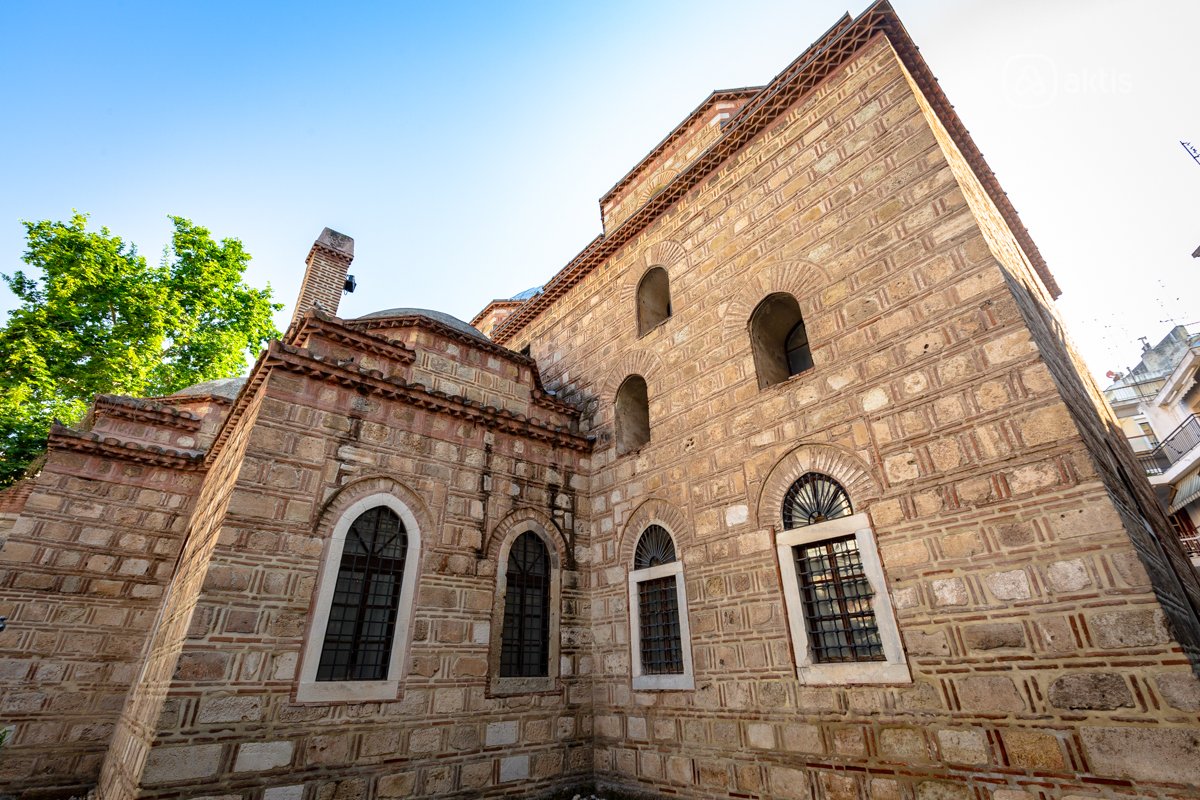
Alaca Imaret
Thessaloniki
Multimedia Map Description

How to get

Thessaloniki, a city with a rich and complex past, has preserved an incredible variety of historical landmarks reflecting the influence of multiple civilizations. Among its significant Ottoman-era monuments, Alaca Imaret Mosque stands out, along with several other noteworthy sites.

Alaca Imaret or Ishak Pasha Mosque

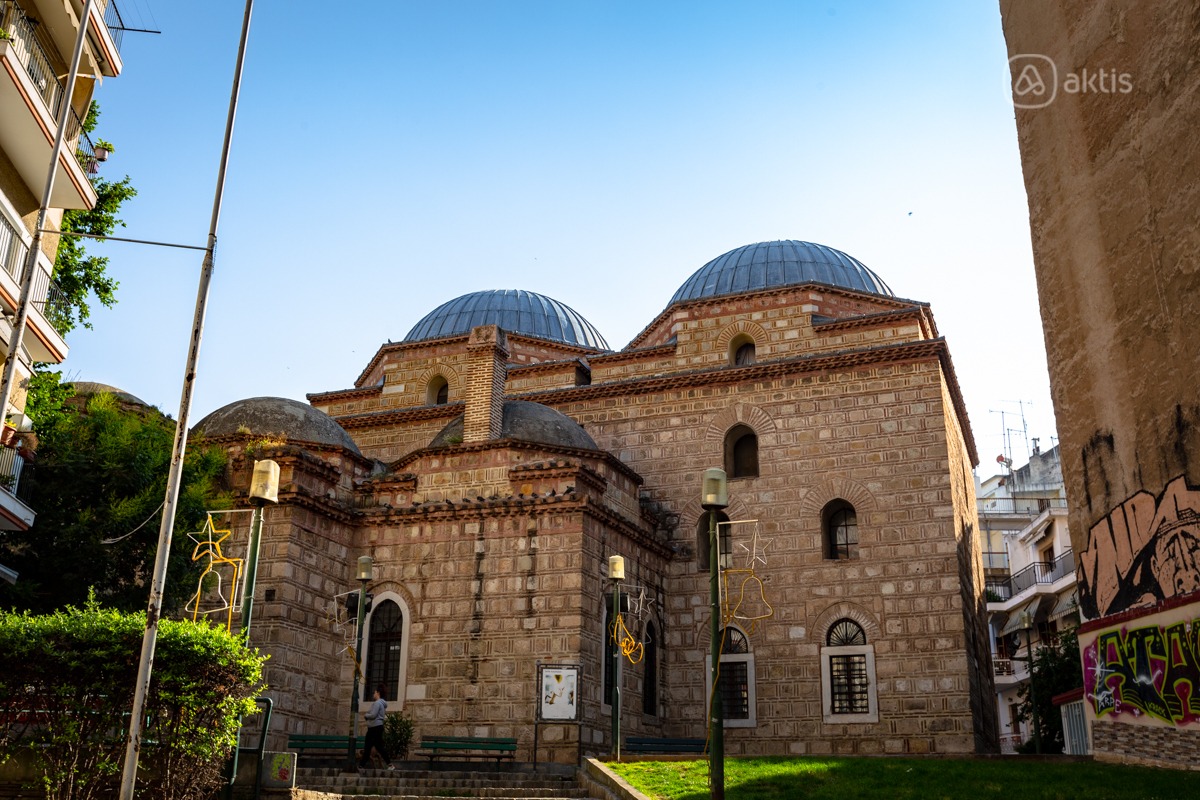
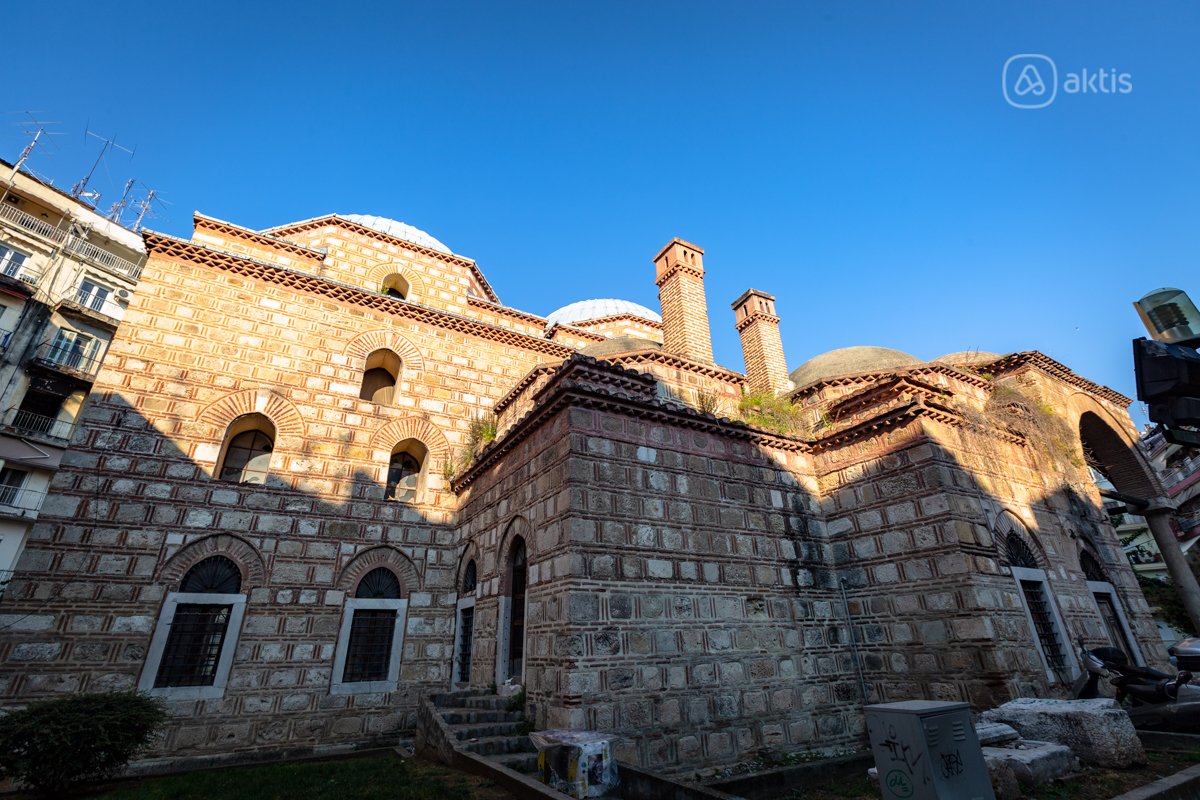
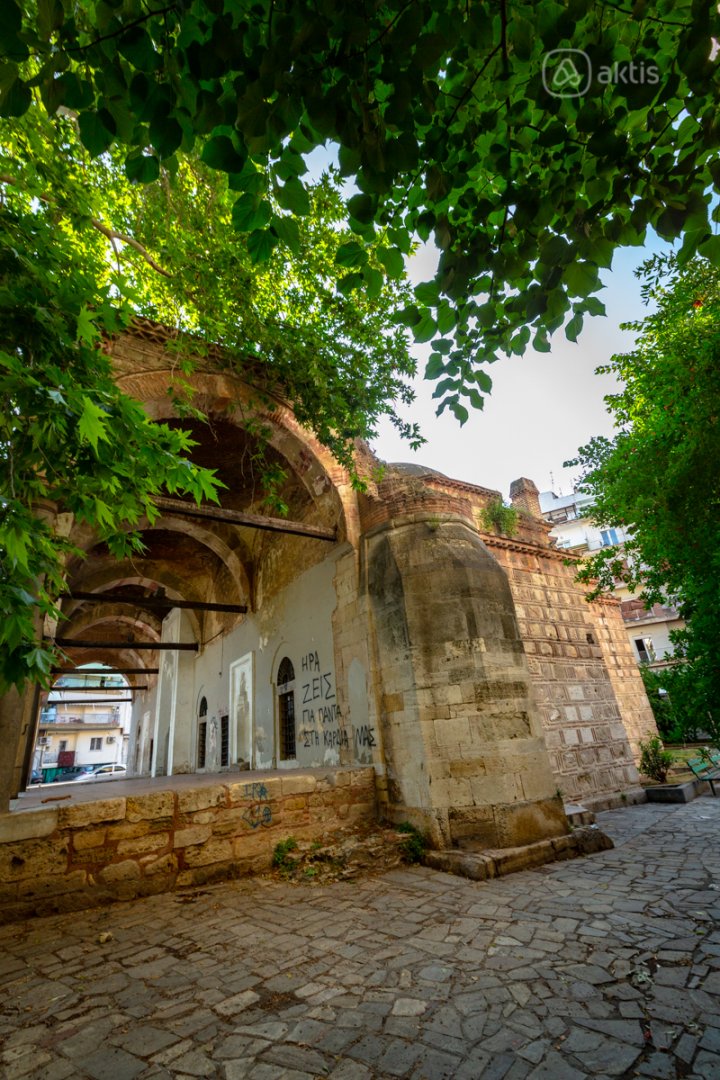
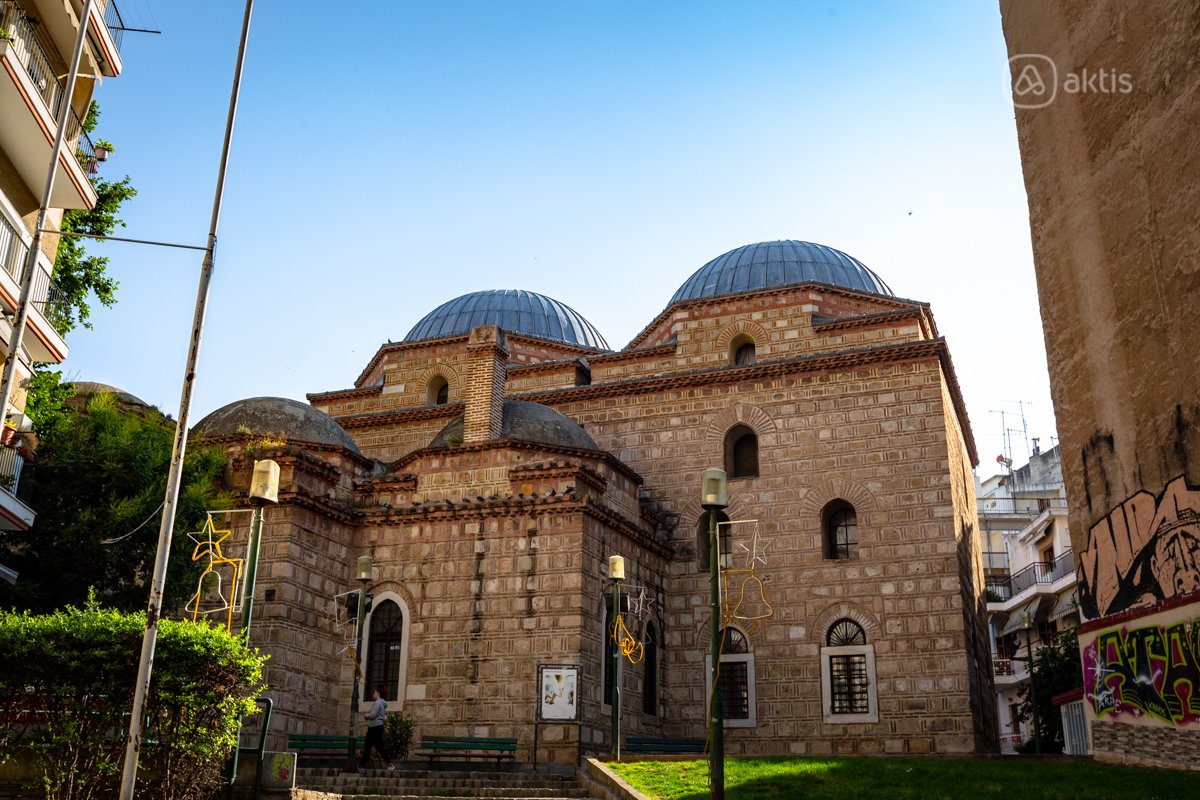
Built in 1484 by Ishak Pasha, a former grand vizier and governor of Thessaloniki, Alaca Imaret is an example of pre-classical Ottoman mosque architecture. Its name, meaning "Multicolored Poorhouse," originates from the now-destroyed minaret, which was once covered in colorful, diamond-shaped stones.

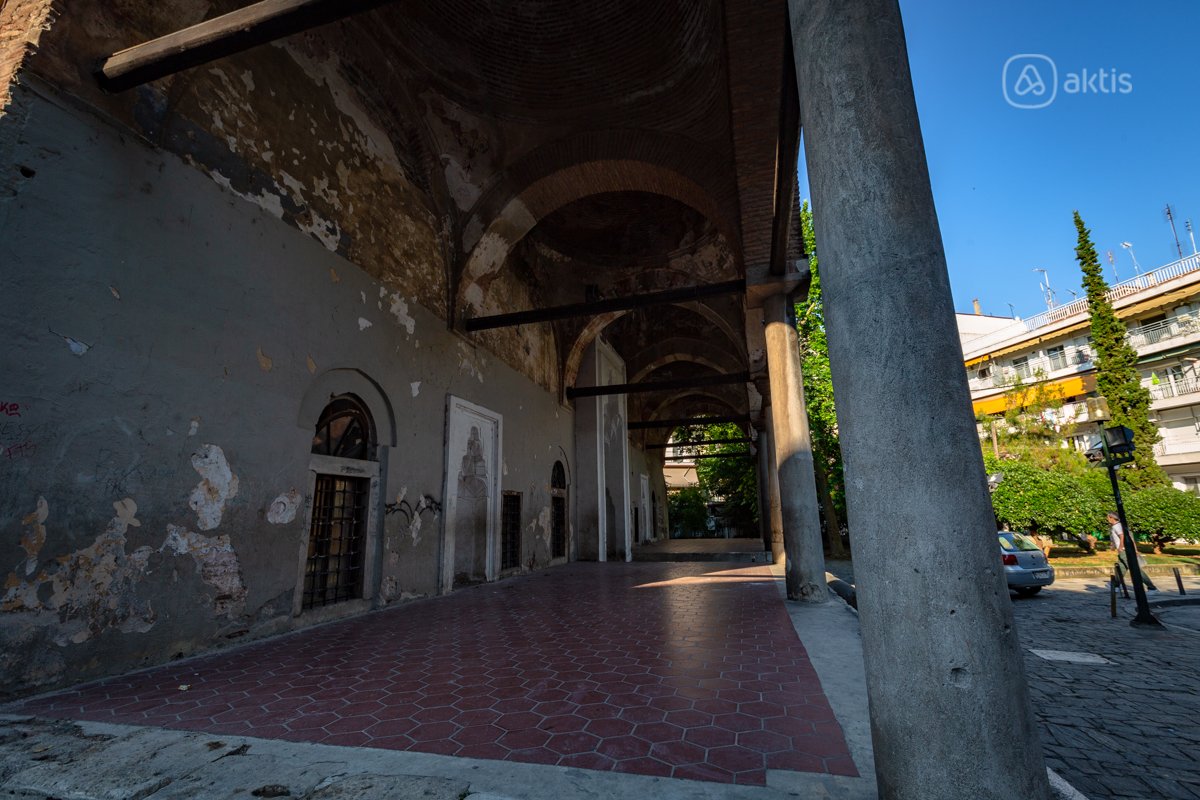
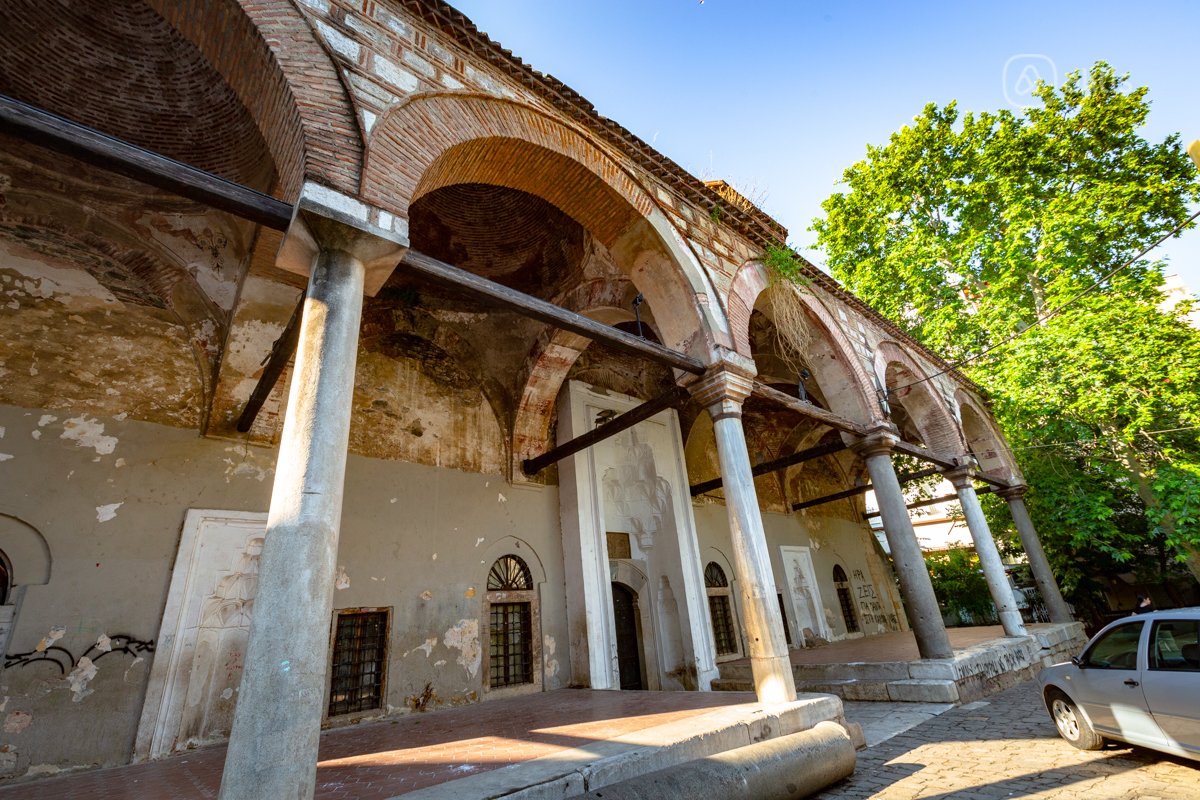
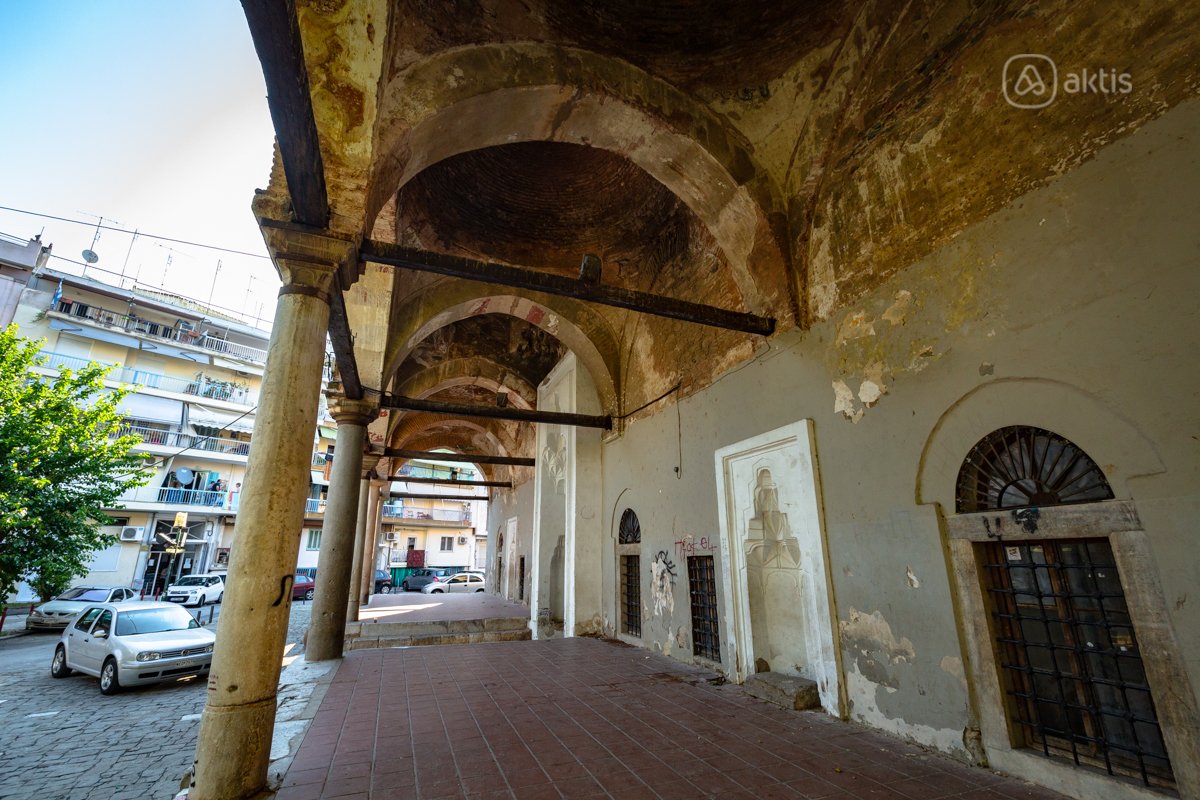
The mosque follows an inverted T-plan, featuring a central prayer space, lateral chambers, and a five-domed portico. These side rooms once served as a public kitchen, Quranic school, and shelter for the poor. The base of the minaret is preserved at the western corner of the mosque.

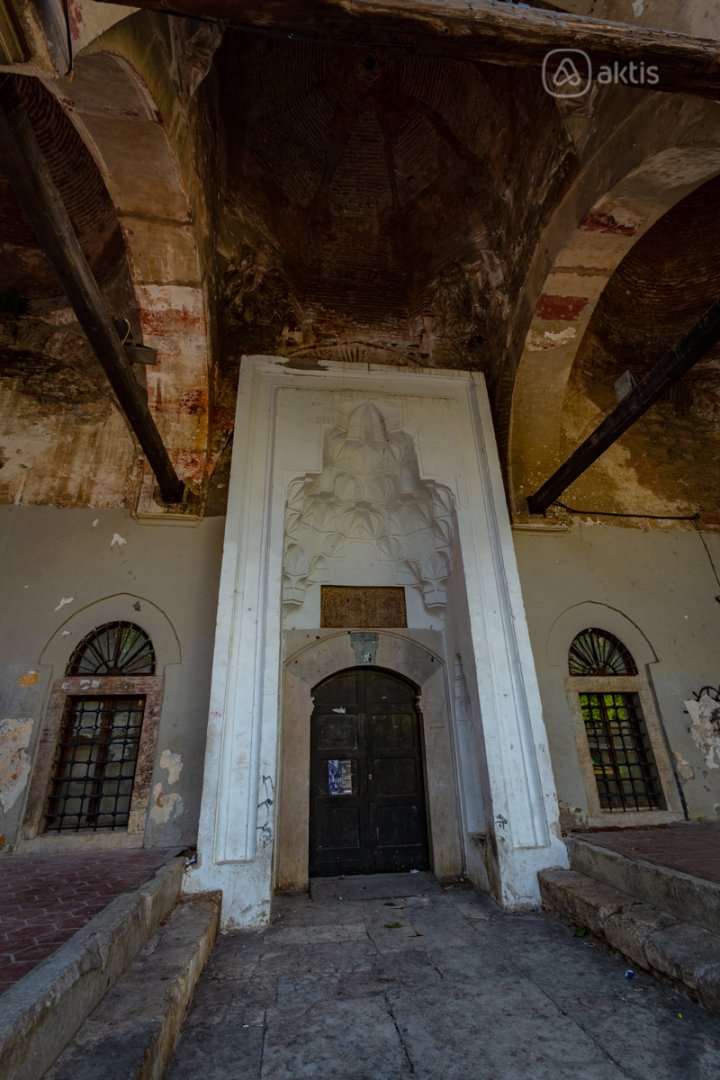
Its interior features fragments of idyllic murals dating back to the 19th century, which covered stylized floral decorations combined with exquisite calligraphic frescoes. Additionally, a pillared arcade once adorned the courtyard, enhancing the grandeur of the structure.

Despite its historical and architectural significance, the monument is largely neglected. Covered in graffiti and in need of maintenance, it no longer functions as a place of worship. However, in recent years, it has been restored and repurposed as an event space.

Ishak Pasha’s influence

Ishak Pasha’s legacy extended beyond Thessaloniki. To the west of modern Stagira in Chalkidiki, the Ottoman city of Siderokapsa flourished between the 15th and 17th centuries. Among its preserved structures is an Ottoman bath, likely founded by Ishak Pasha before 1487. This bathhouse functioned as an annuity to support the operations of Alaca Imaret, highlighting the interconnected nature of Ottoman infrastructure and charity.

Location

Alaca Imaret is located on Kassandrou Street in Thessaloniki's oldest part, Ano Poli.

Buses that stop at EGLI (Aiglē) stop nearby: 15, 23, 24, 32N.

Ano Poli, the city’s upper town, is known for its well-preserved Ottoman and Byzantine architecture. Unlike the lower city, which was largely destroyed in the fire of 1917, Ano Poli retains its original cobblestone streets and traditional Macedonian-style houses. The district offers a glimpse into the city’s past, with historic sites, cozy taverns, and an authentic atmosphere that is particularly enchanting at sunset.

Other Ottoman-era sites in Thessaloniki

Beyond Alaca Imaret, Thessaloniki hosts several other remnants of its Ottoman past:

  • Atatürk Museum (700m from Alaca Imaret): The birthplace of Mustafa Kemal Atatürk, founder of modern Turkey, this 19th-century house-turned-museum displays historical furniture, documents, and personal items. Recognized as a historical monument in 2011, it attracts thousands of visitors annually.

  • Bey Hamam (750m away): Built in 1444 by Sultan Murad II, this was the first Ottoman bathhouse in Thessaloniki. It served as both a hygiene center and a social space. Though usually closed to the public, it occasionally hosts exhibitions.

  • Pasha’s Gardens (1.2 km away): A mysterious site blending Ottoman architecture with folklore and speculation. Built around 1904, the gardens feature underground tunnels, a fountain, and stone structures. Theories about their purpose range from religious gatherings to occult rituals, adding to their enigmatic appeal.