Thessaloniki Cinema Museum
Thessaloniki
Multimedia Map Description

How to get

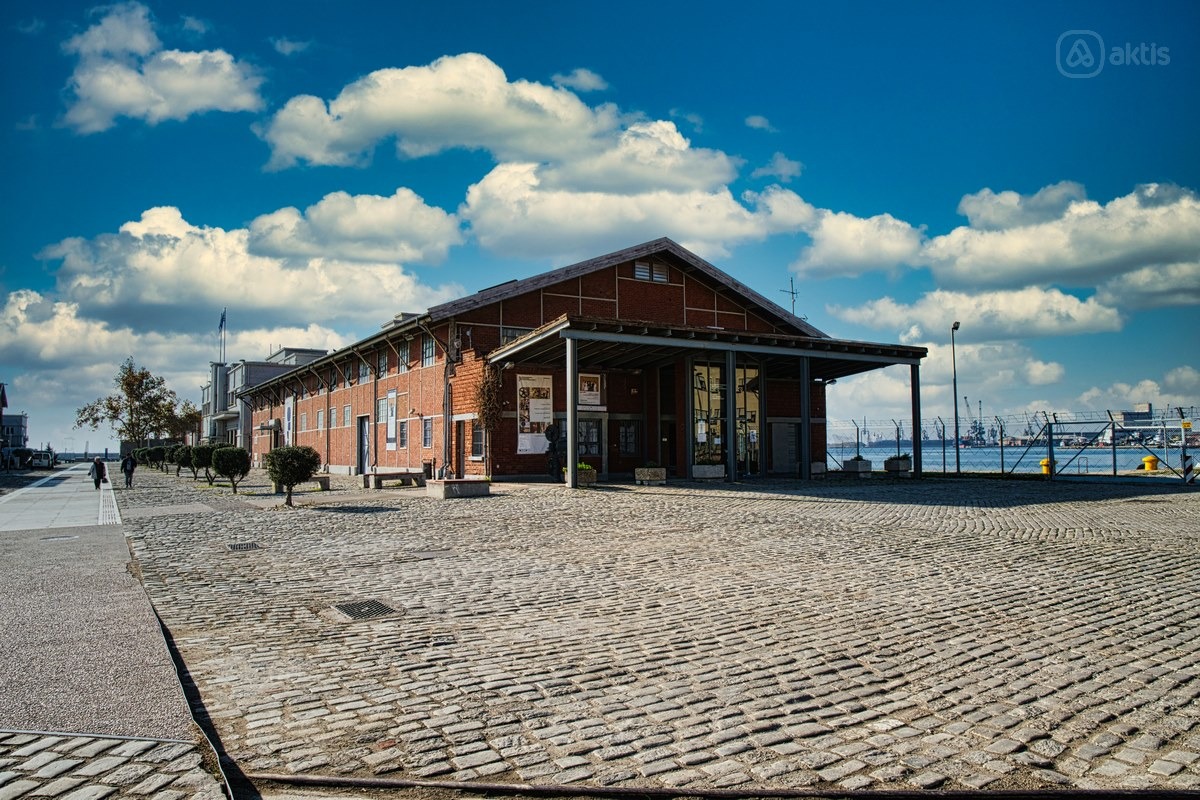
Established in 1995 and opened in 1997, when Thessaloniki was designated the European Capital of Culture, the Museum of Cinema became the first of its kind in Greece. Its primary mission is to preserve the country's national cinematic heritage, which is considered an important intangible cultural landmark.

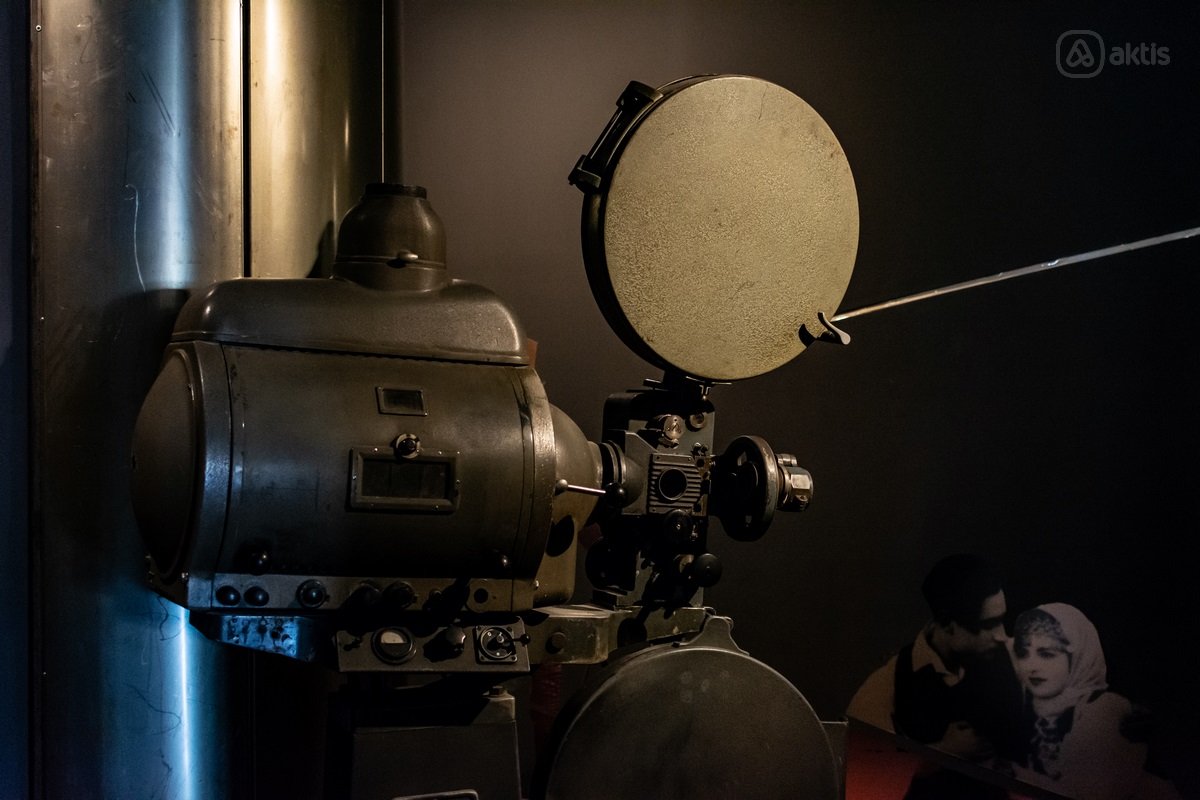
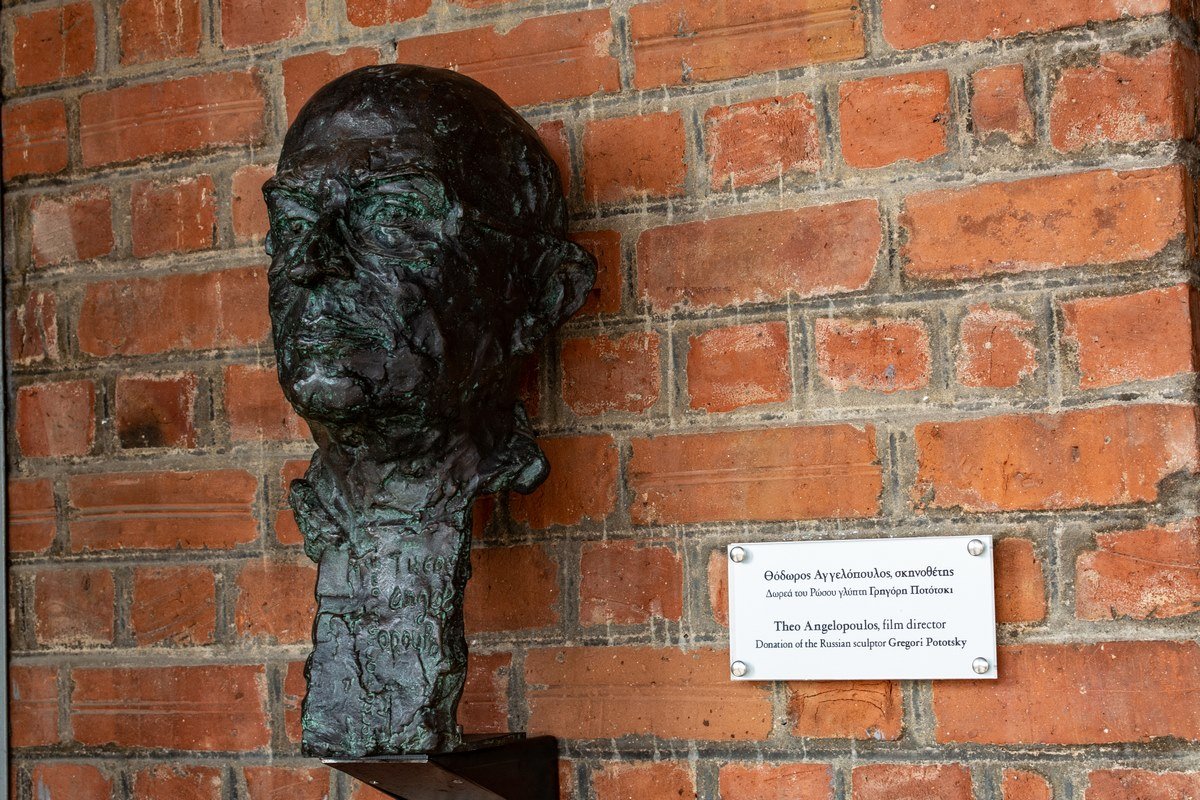
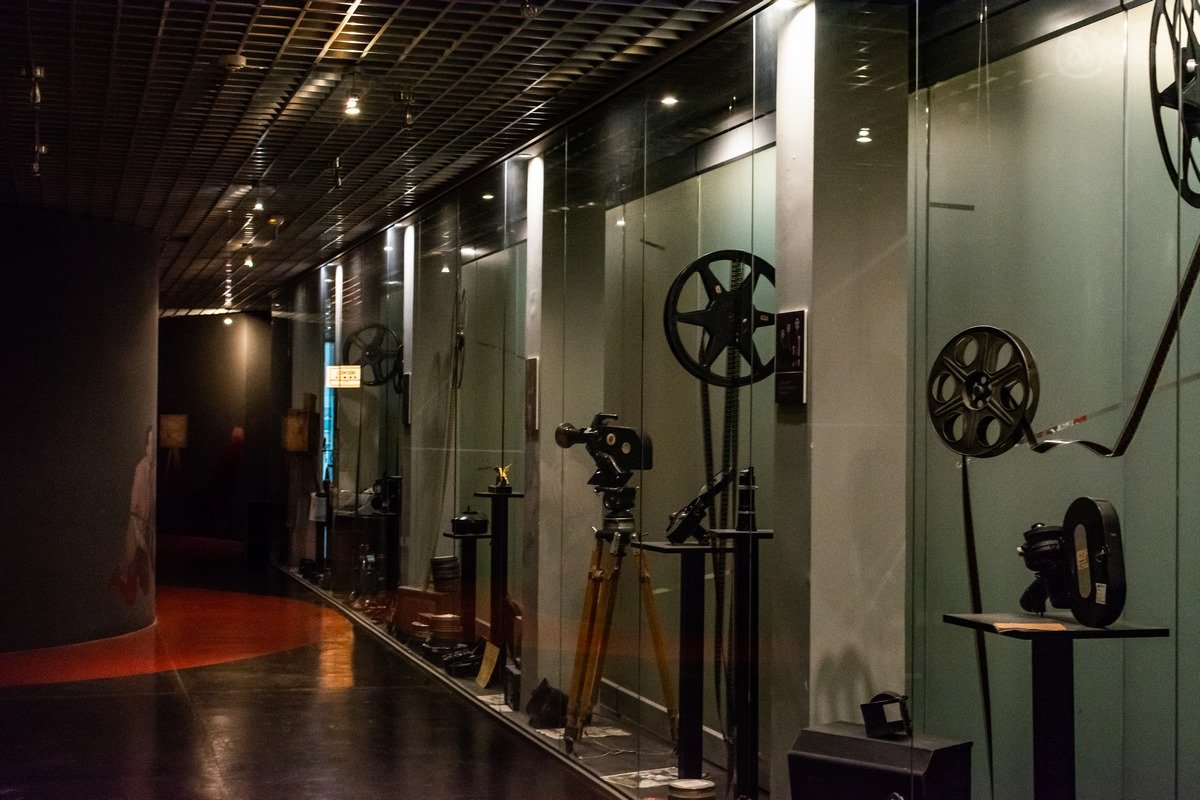
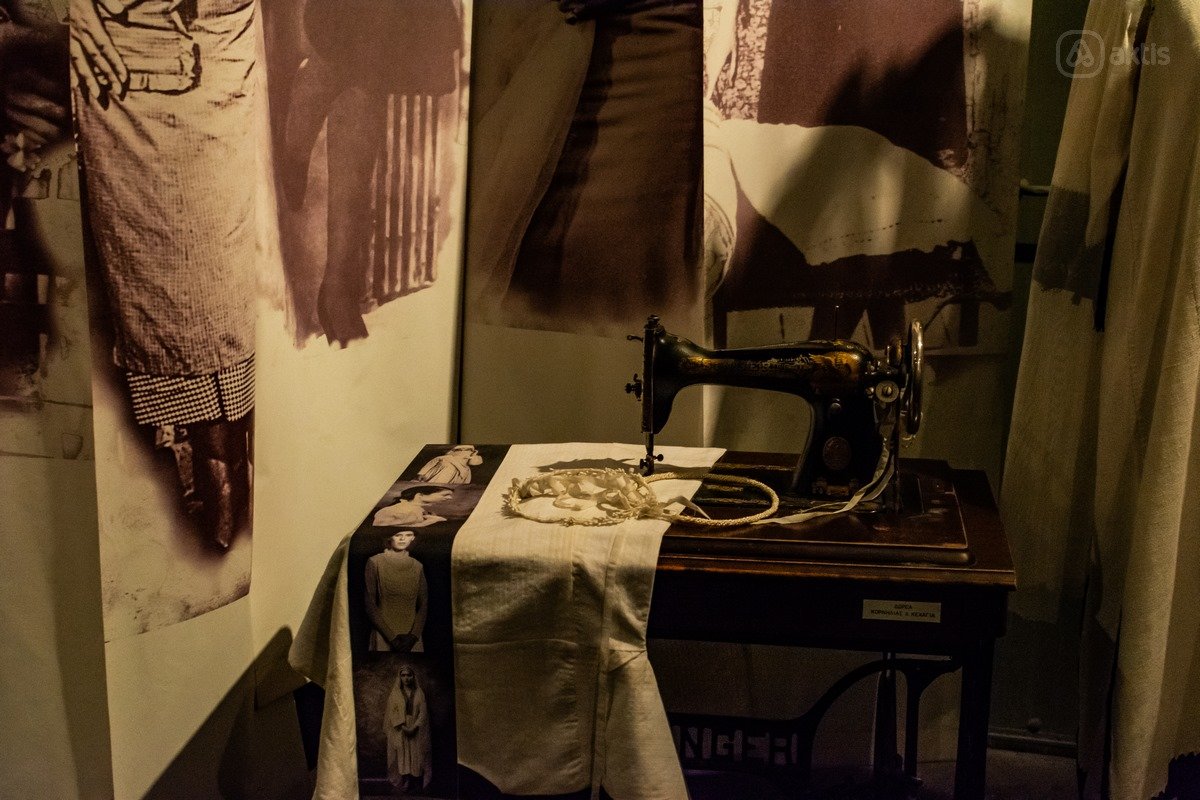
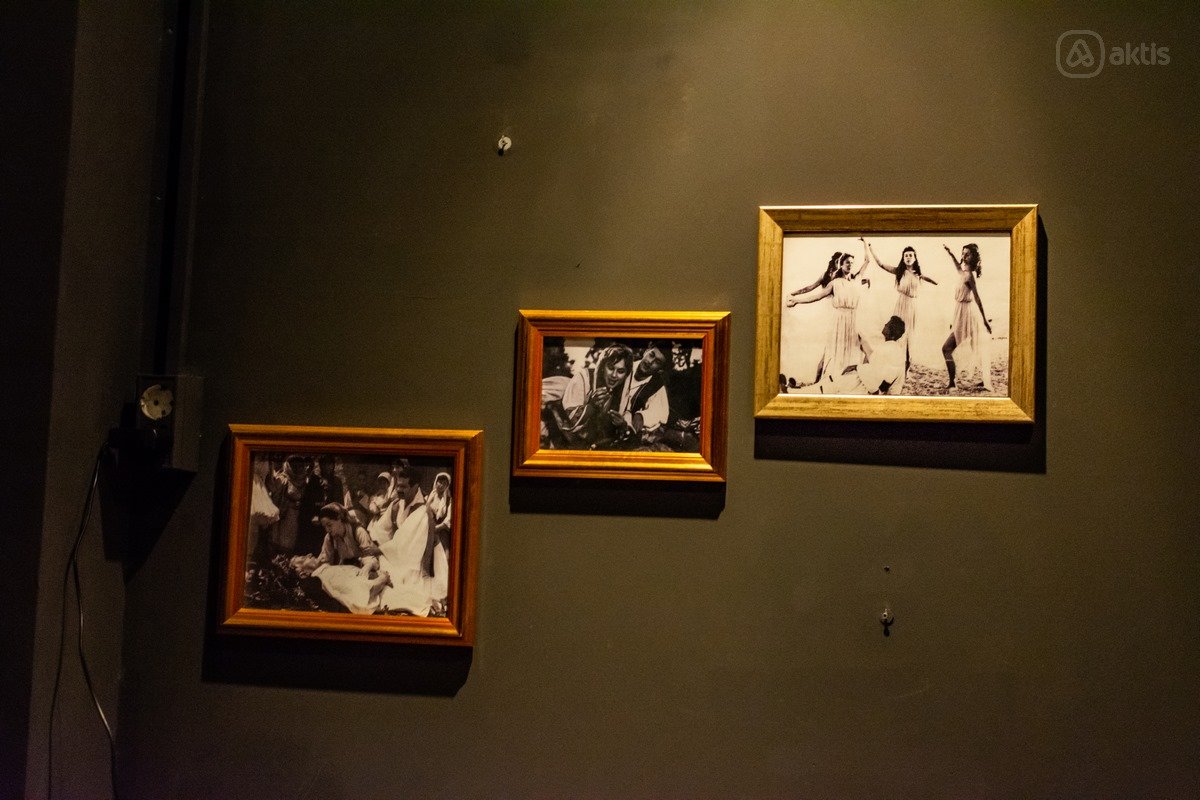
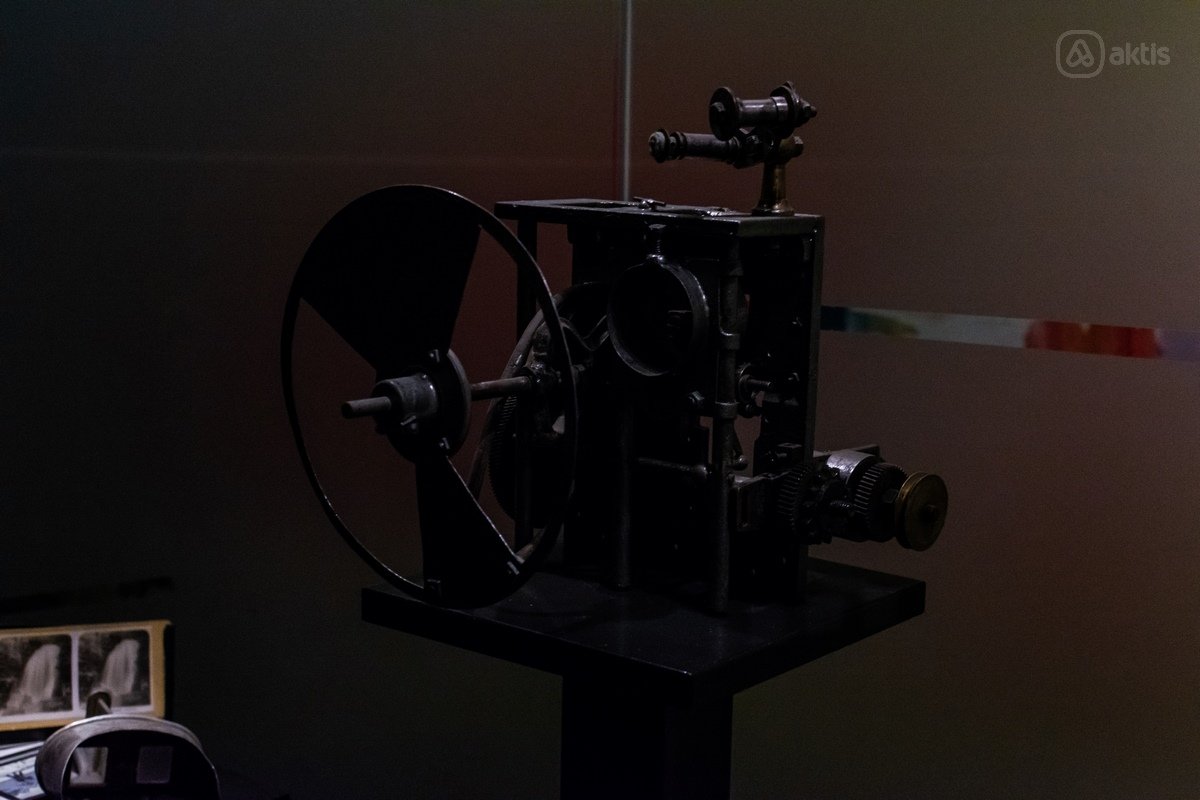
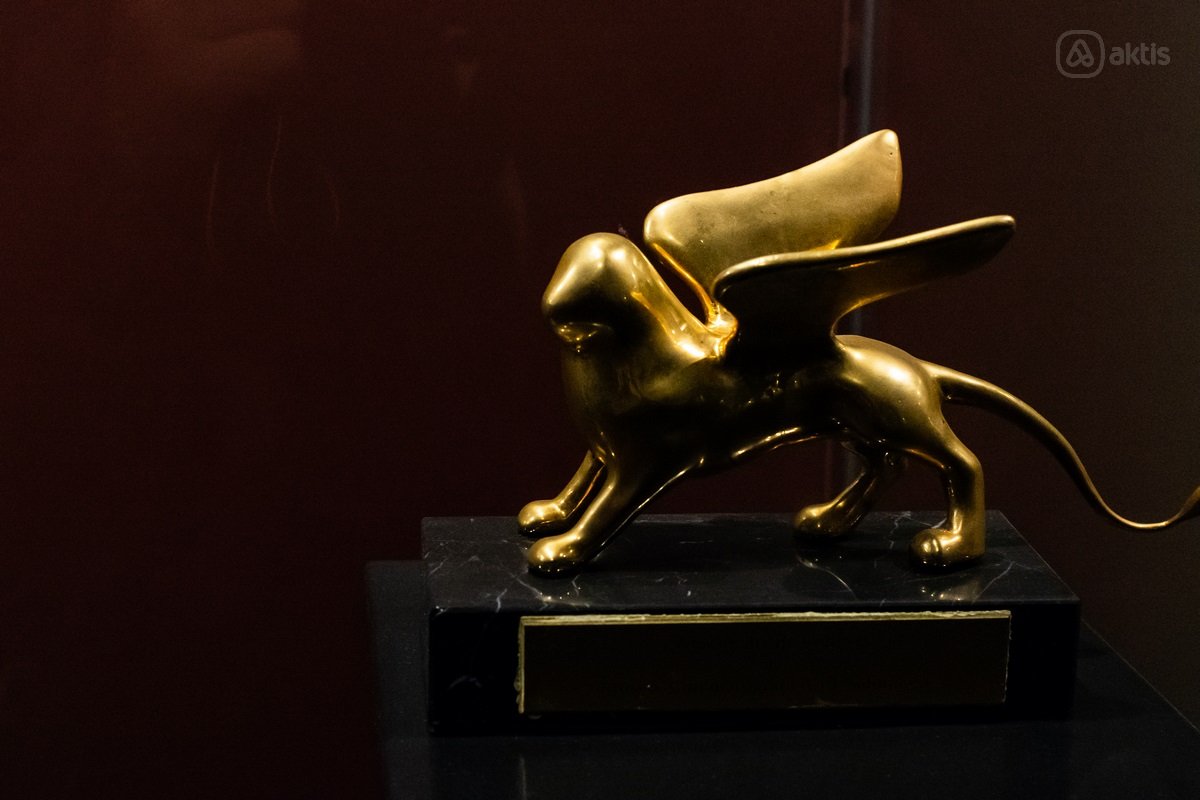
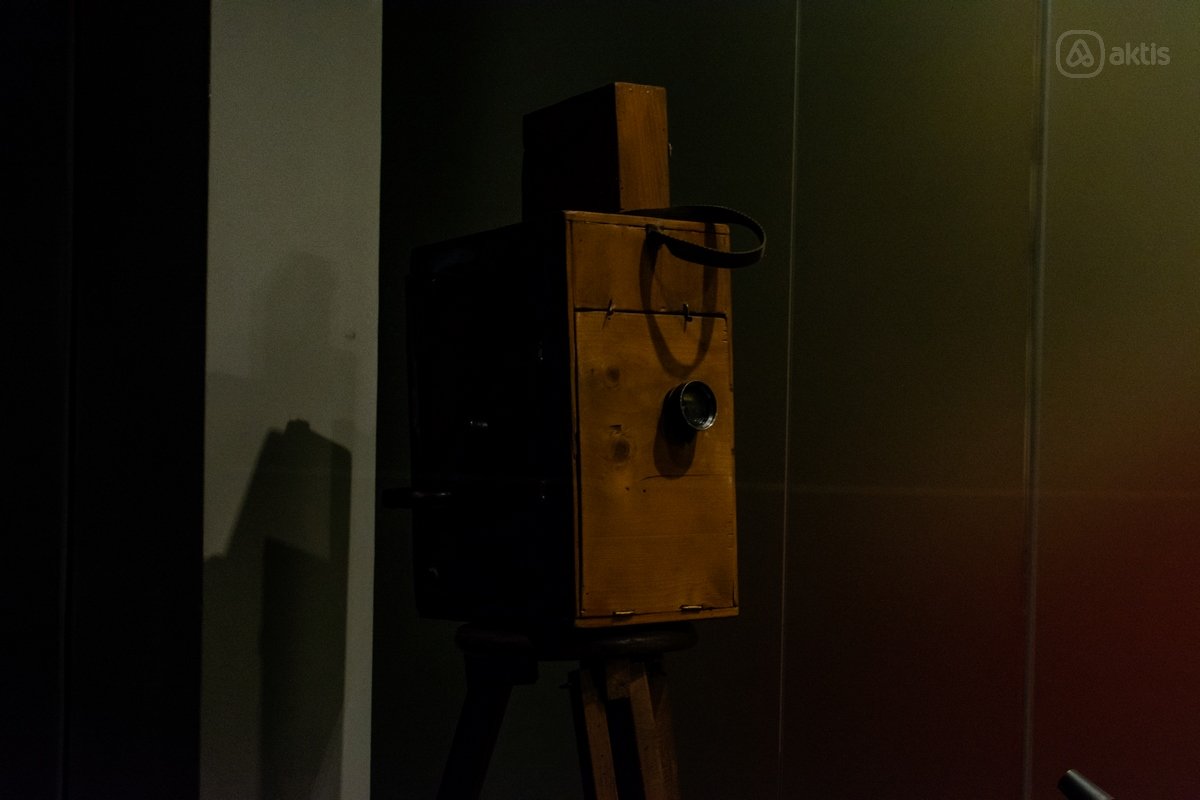
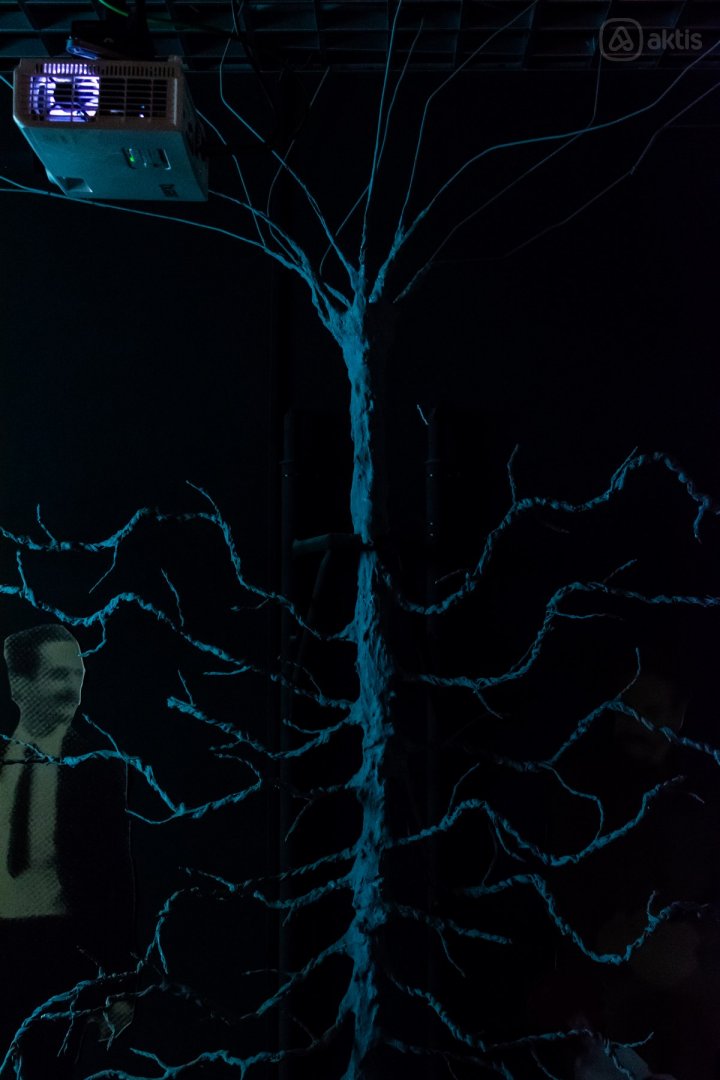
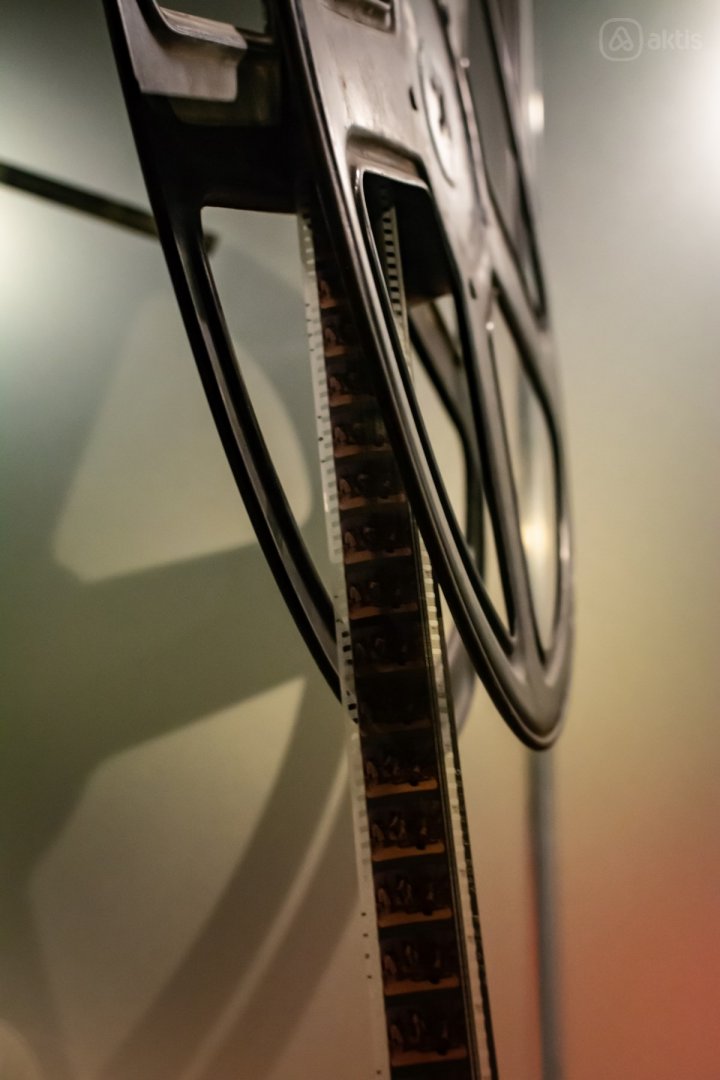
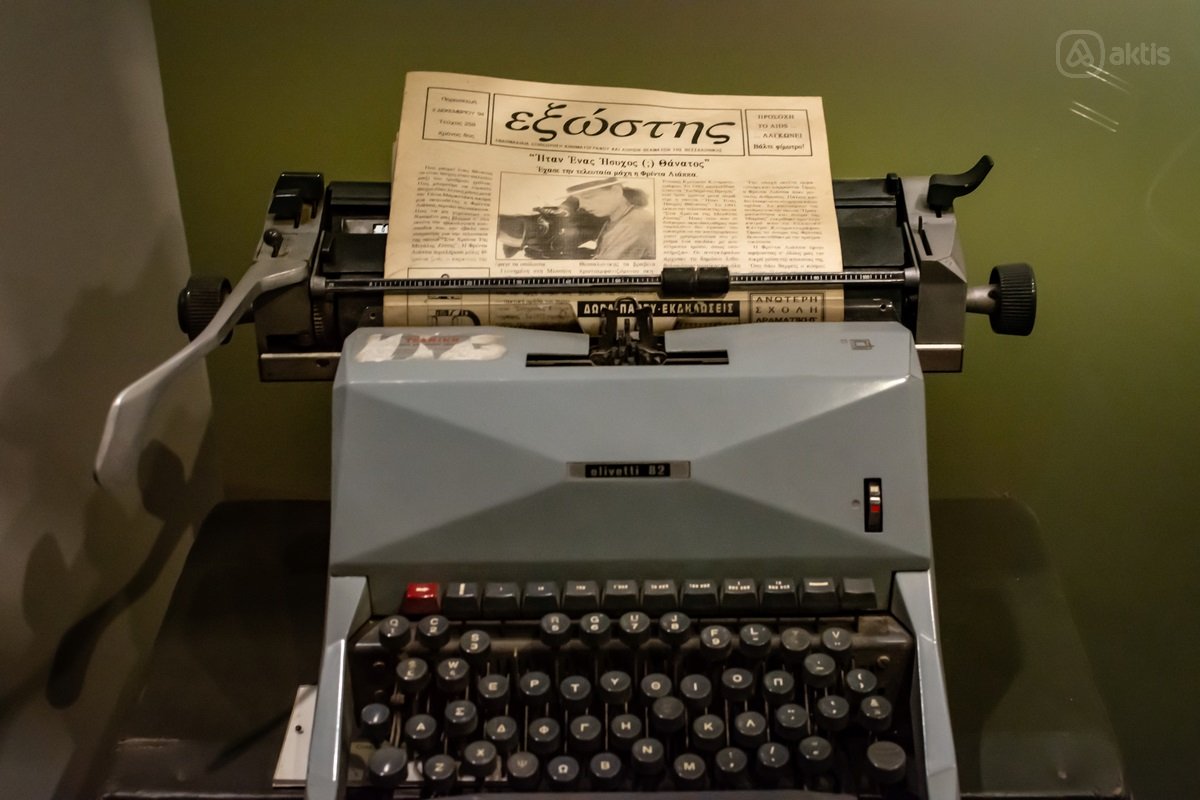
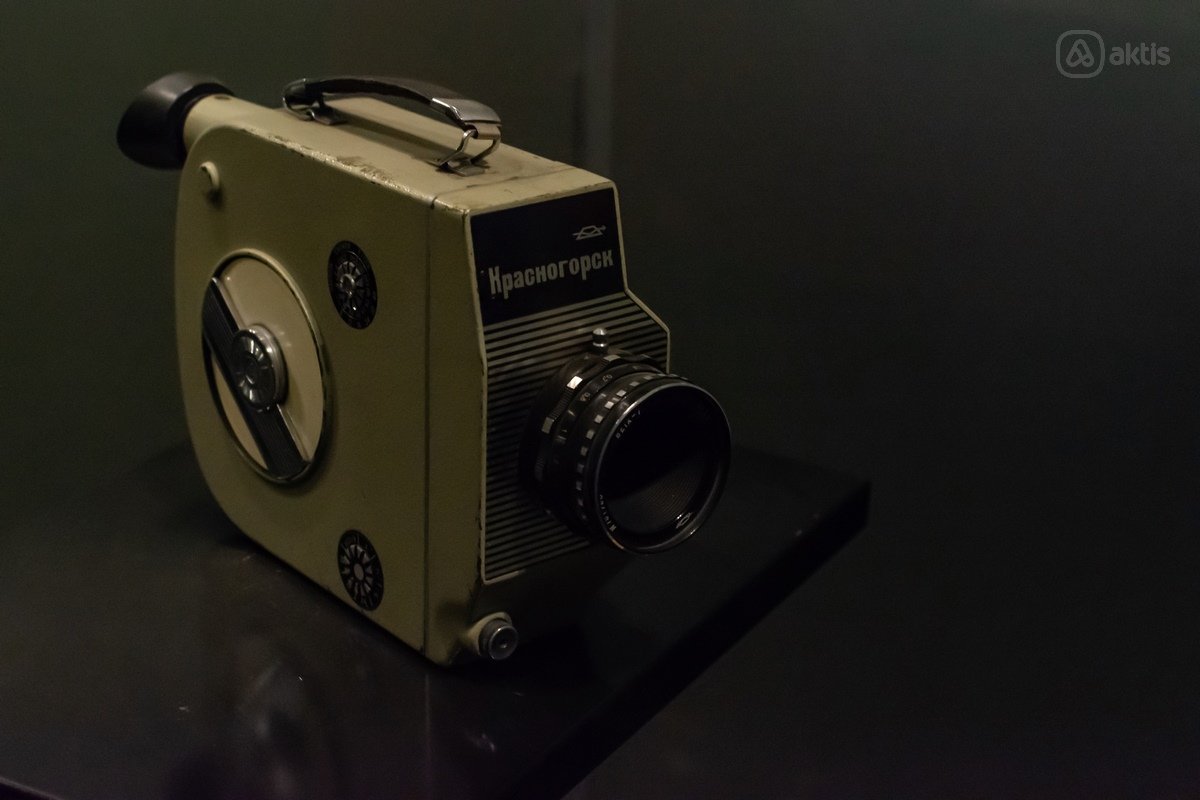
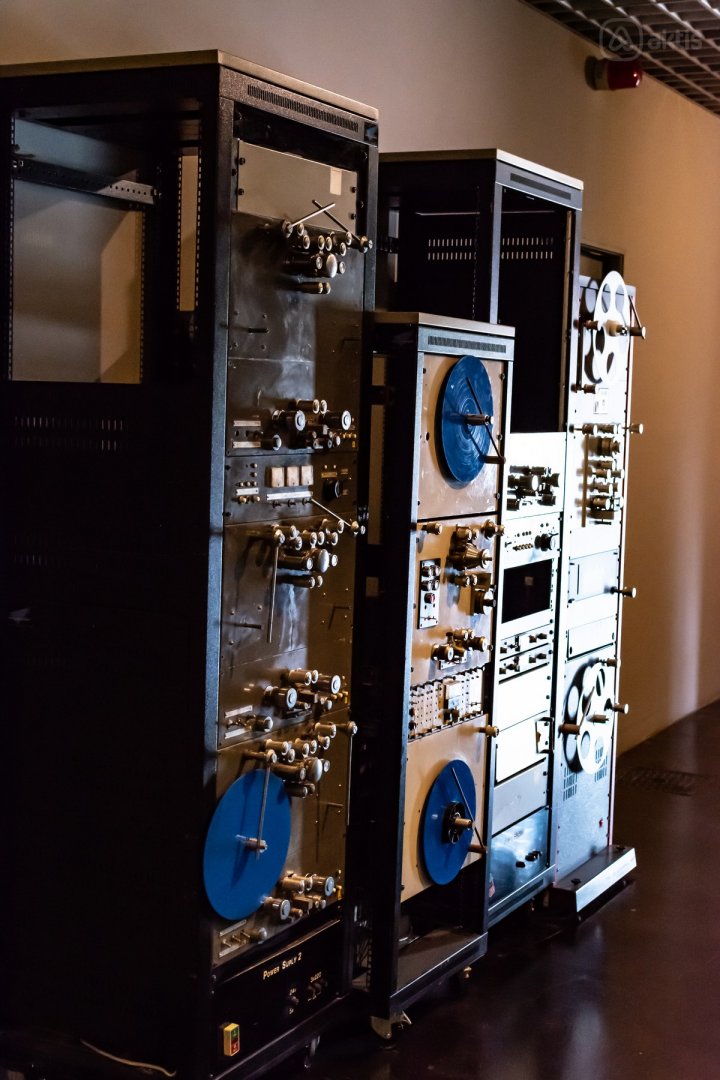
The museum houses a variety of exhibits, including vintage posters, cameras, film equipment, behind-the-scenes photographs, actor portraits, and newspaper articles about film releases. Among the artifacts, visitors can see authentic costumes worn by actors in iconic films, as well as archival footage from past decades—both black-and-white and color. Guided tours are available, and visitors can also watch excerpts from some of Greece’s greatest films in a small cinema hall named after Takis Kanellopoulos, a director and screenwriter from Thessaloniki.

The museum operates under the supervision of Greece’s Ministry of Culture and is part of the Thessaloniki International Film Festival. According to its mission, the museum focuses on collecting, preserving, and showcasing cinematic artifacts. It also organizes educational and research programs in collaboration with other museums.

Thessaloniki Documentary Festival

The history of the Thessaloniki Documentary Festival began in 1998, when its creation was announced as part of the 39th Thessaloniki International Film Festival. Just a few months later, from March 15–21, 1999, the first festival was held under the leadership of Dimitris Eipides. This initiative proved that documentary films can be just as captivating as feature films.

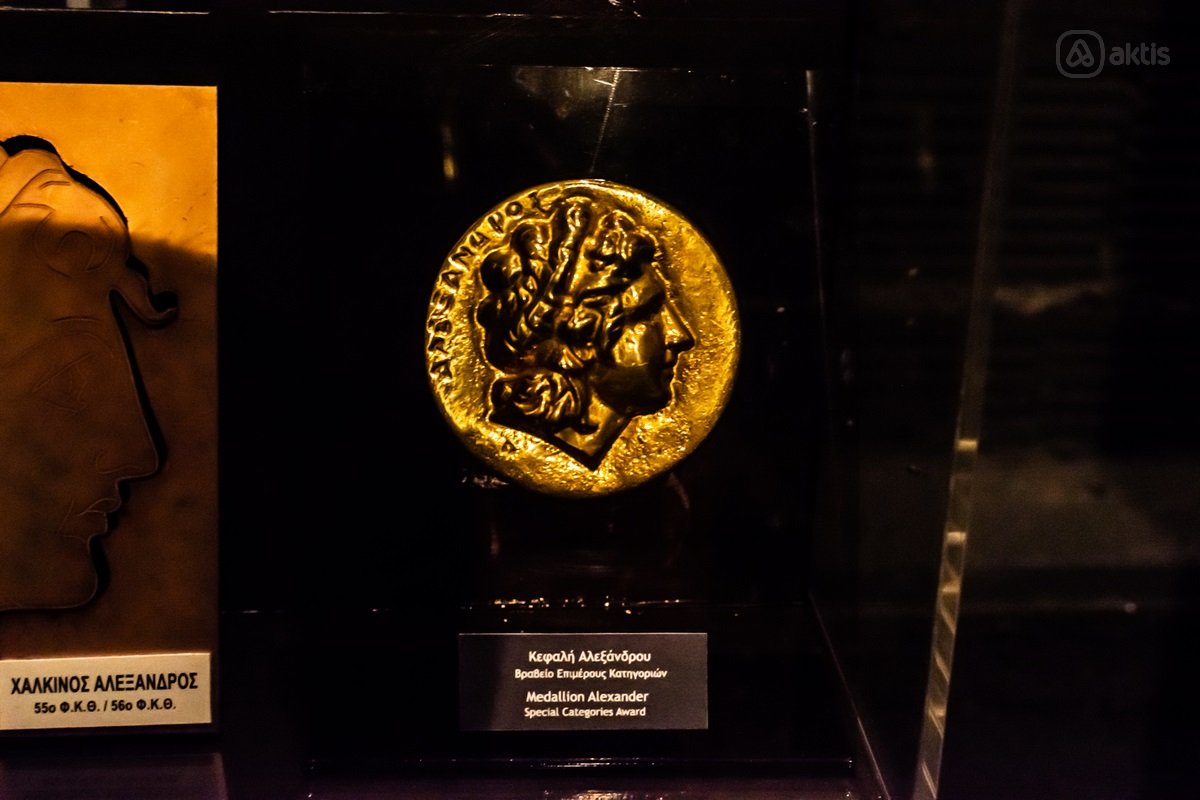
Over the past 20 years, the festival has become a significant cultural event, offering a bold perspective on social and political transformations around the world. Popular themes include history, climate change, music, gastronomy, and visual arts. In 2016, the festival introduced a competition program, and in 2018, the Academy of Motion Picture Arts and Sciences recognized it as one of 28 festivals whose award winners can qualify for Oscar nominations. Films that receive the "Golden Alexander" award are automatically considered for the nomination process.

The festival features panel discussions, masterclasses, video conferences with prominent thinkers, as well as exhibitions and educational workshops.

Additional Information

Opening Hours:

  • Mon–Wed: 9:00 AM – 3:00 PM
  • Thu: 9:00 AM – 4:00 PM
  • Fri: 9:00 AM – 10:00 PM

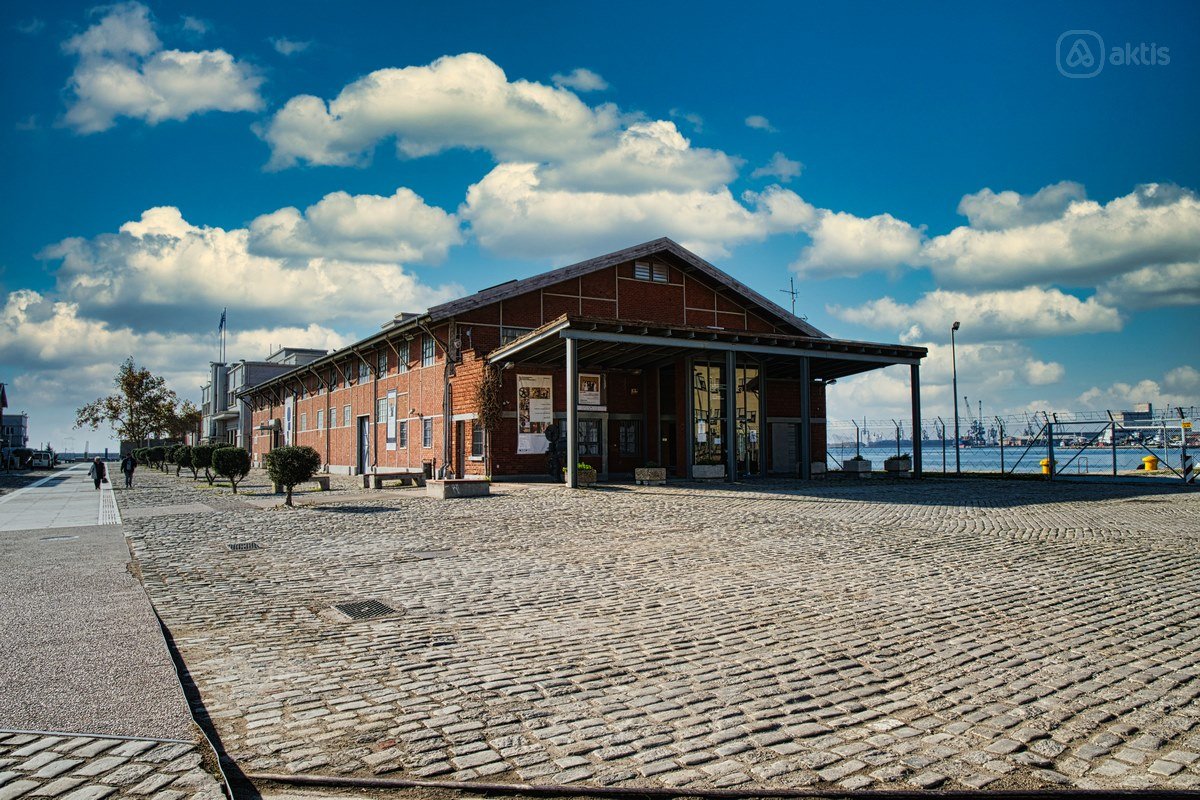
Address: Located in a former port warehouse on Thessaloniki’s harbor pier, next to the Museum of Photography.

Admission fee: ~€5. The museum is particularly fascinating for cinema and history enthusiasts. Those less familiar with the subject are encouraged to explore some background information about the museum beforehand to better appreciate the exhibits.

You can also grab a bite at Kitchen Bar, a restaurant situated right by the water. Offering a diverse menu, cozy ambiance, and stunning views of Thessaloniki, it’s a popular spot—so reservations are recommended.

Nearby Attractions

A visit to the Museum of Cinema can be combined with a trip to the neighboring Museum of Photography, the only state-run institution of its kind in Greece. Opened in 1998, the photography museum has been actively digitizing its archives in recent years, giving visitors access to a rich digital collection. Its exhibits feature works by Greek photographers as well as those by Asian, American, and European artists.

The museums are located along Thessaloniki's waterfront promenade, which stretches 3.5 km along the Thermaic Gulf. This area is a favorite among locals and tourists alike, especially in the evening when the sunset bathes the city in golden light. Art installations like Zongolopoulos' "Umbrellas" and "Moon on the Shore" are perfect for photographs. Be sure to bring your camera while strolling along the promenade to capture its breathtaking views.