Folk Life & Ethnological Museum of Macedonia & Thrace
Thessaloniki
Multimedia Map Description

How to get

Thessaloniki, Greece's second-largest city, is rich in history and culture, making it a great destination for travelers interested in immersing themselves in the local heritage. Among its many cultural landmarks, one must-visit is the Folklife & Ethnological Museum of Macedonia and Thrace (FEMM-Th). Located in the historic Villa Modiano, this museum offers a comprehensive look at the traditional culture of Northern Greece, particularly focusing on the centuries-old customs and everyday life of its people.

Location

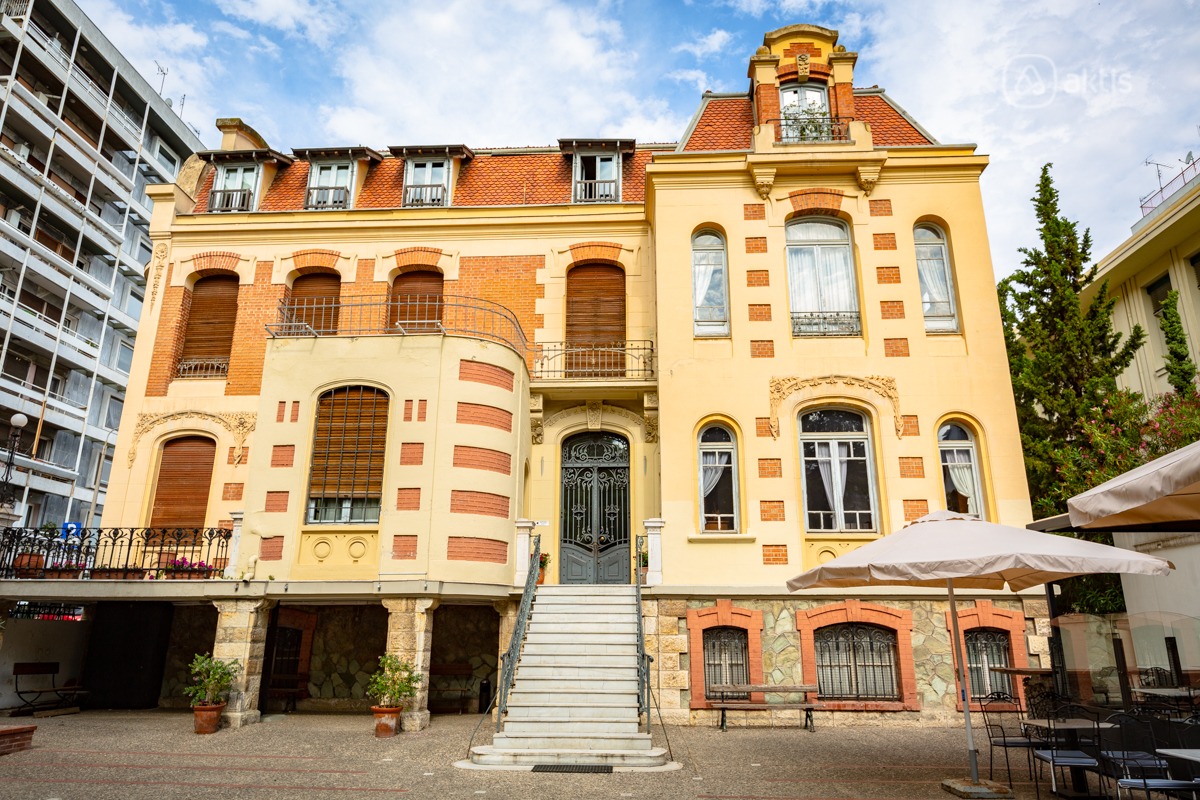
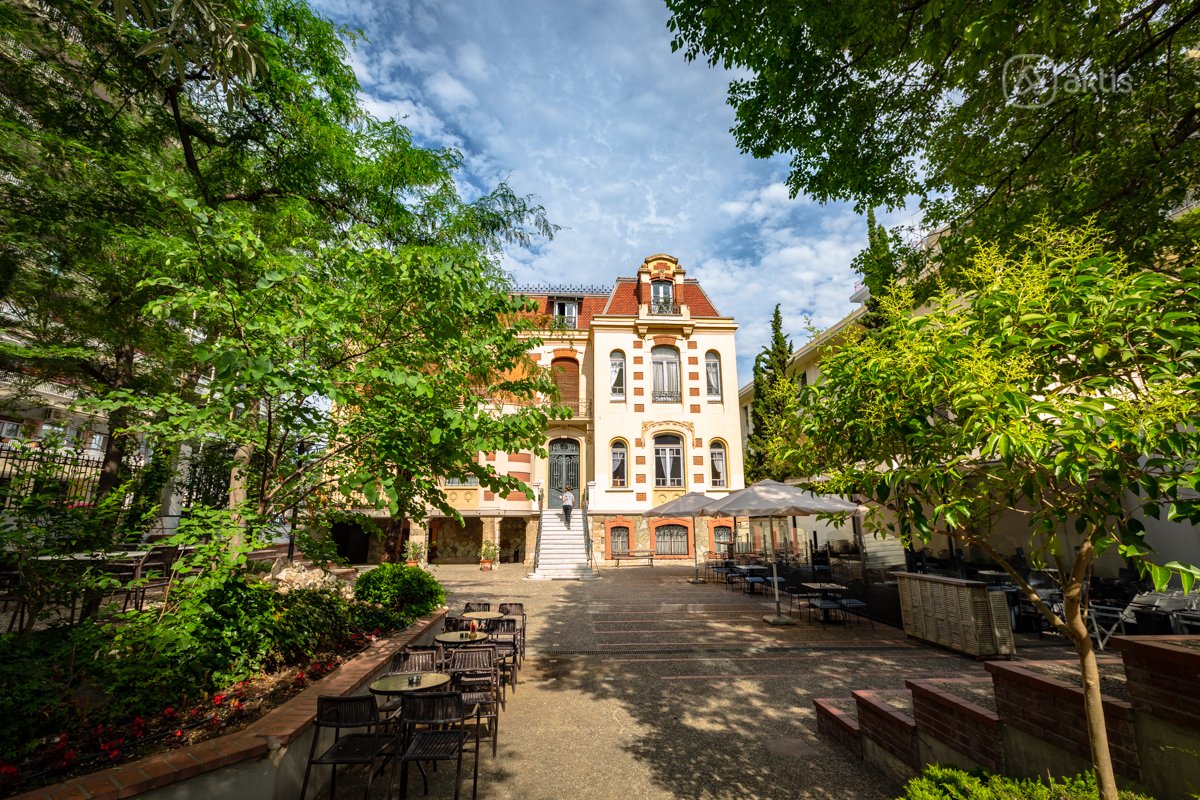
The FEMM-Th is housed in Villa Modiano, a stunning early 20th-century building situated on the waterfront of Thessaloniki. Designed by architect Eli Modiano, the villa was initially constructed in 1906 for the banker Yako Modiano and has since had a varied history. After being briefly used as a royal residence, it became the Old Governor’s Residence, hosting high-ranking officials, before eventually becoming the Folklife & Ethnological Museum in 1970.

This building is an excellent example of eclectic architectural style, blending influences from Art Nouveau with traditional forms, particularly evident in the decorative elements and the distinctive roof. The villa’s spacious garden, covering 2500 square meters, is one of the last remaining large green spaces in eastern Thessaloniki

Architectural appearance

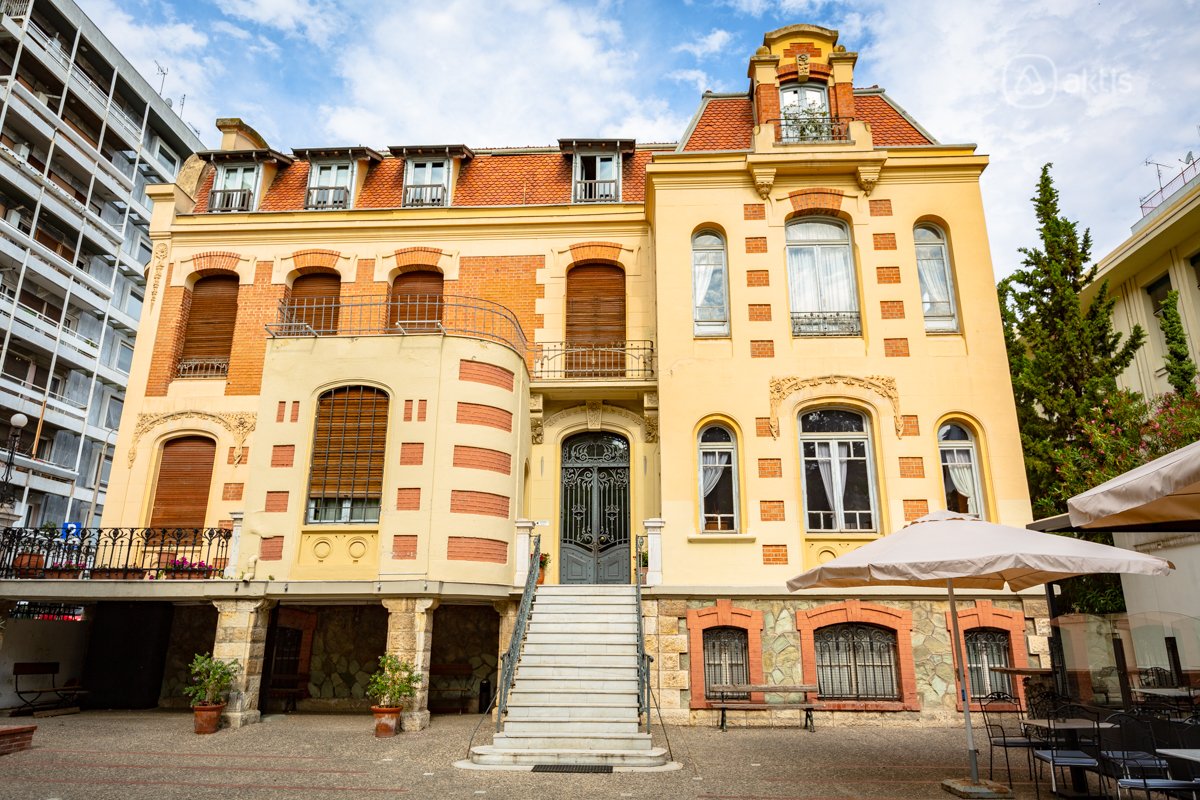
Museum's most notable features include the intricate decorative details, such as the ironwork grilles and metallic leaf designs at the main entrance, which showcase the influence of Art Nouveau. The villa's facade follows the typical “base-stem-head” structure, with a robust semi-basement built from heavy stonework, giving way to the lighter, more ornate upper levels.

The asymmetry of the building, visible both in its facade and interior, is a hallmark of the eclectic style that was popular at the time. Its mansard roof, with scaled tiles and dormer windows, adds to the distinctive visual appeal of the villa. The design also features a large two-storey loggia that curves around the southwest corner of the building, providing spectacular views of the sea and the Olympus mountain range. 

Permanent exhibitions

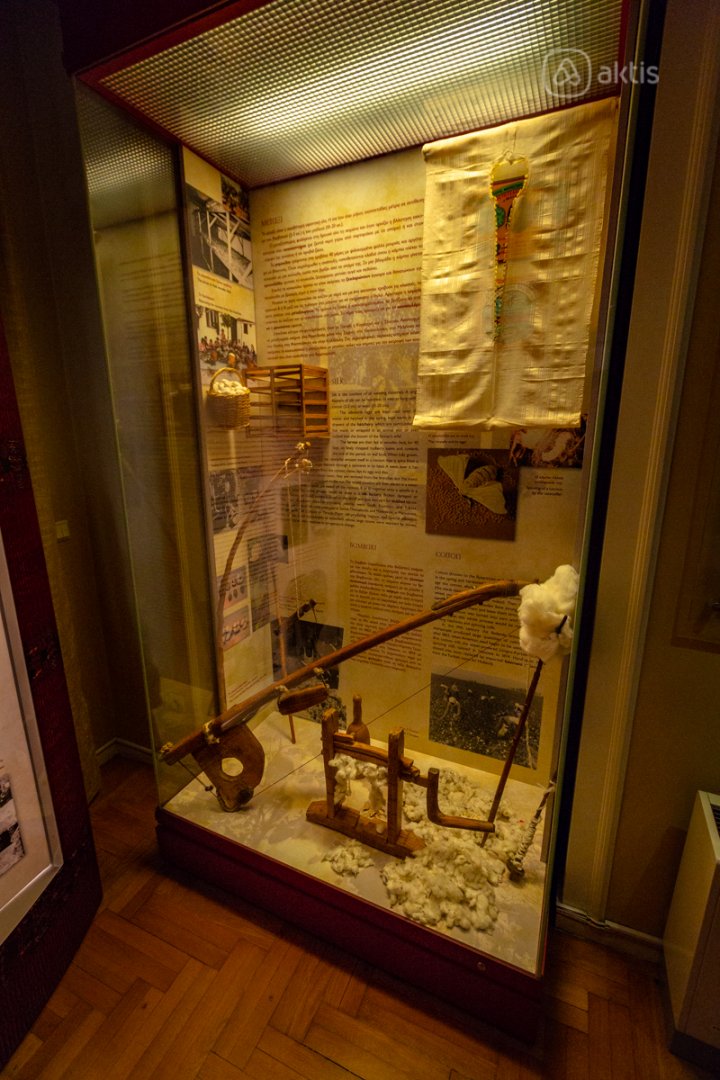
The museum’s permanent exhibitions are thoughtfully curated to highlight key aspects of traditional life in Macedonia and Thrace, focusing on essential human needs: food, shelter, and clothing. Currently, the two key exhibitions on display are:

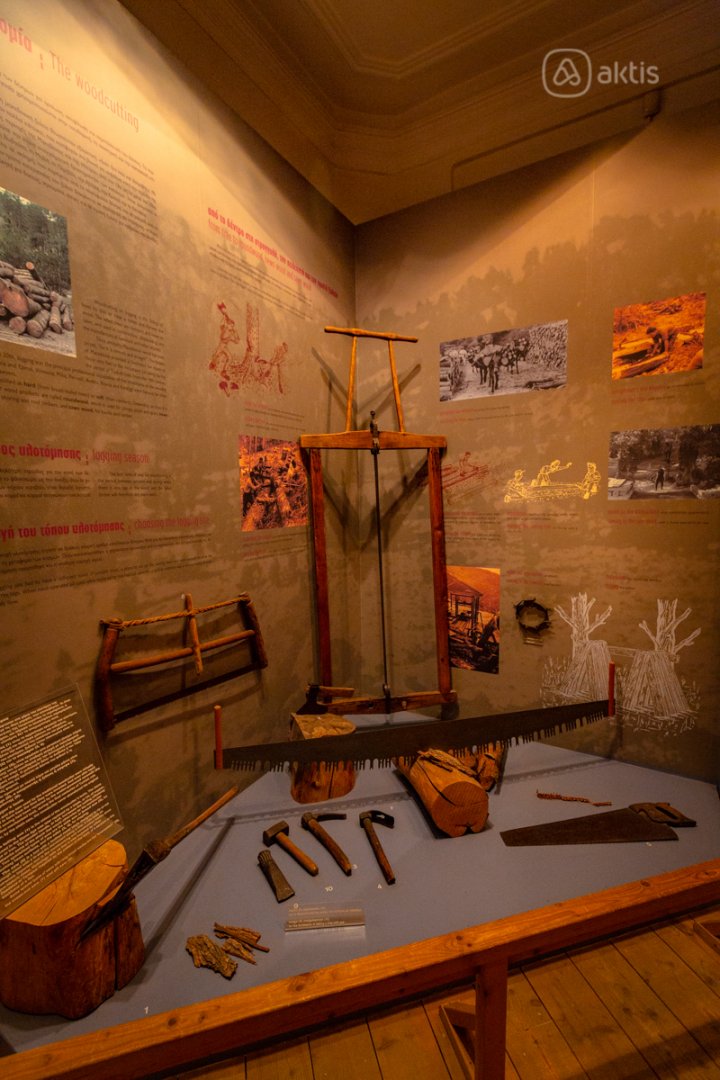
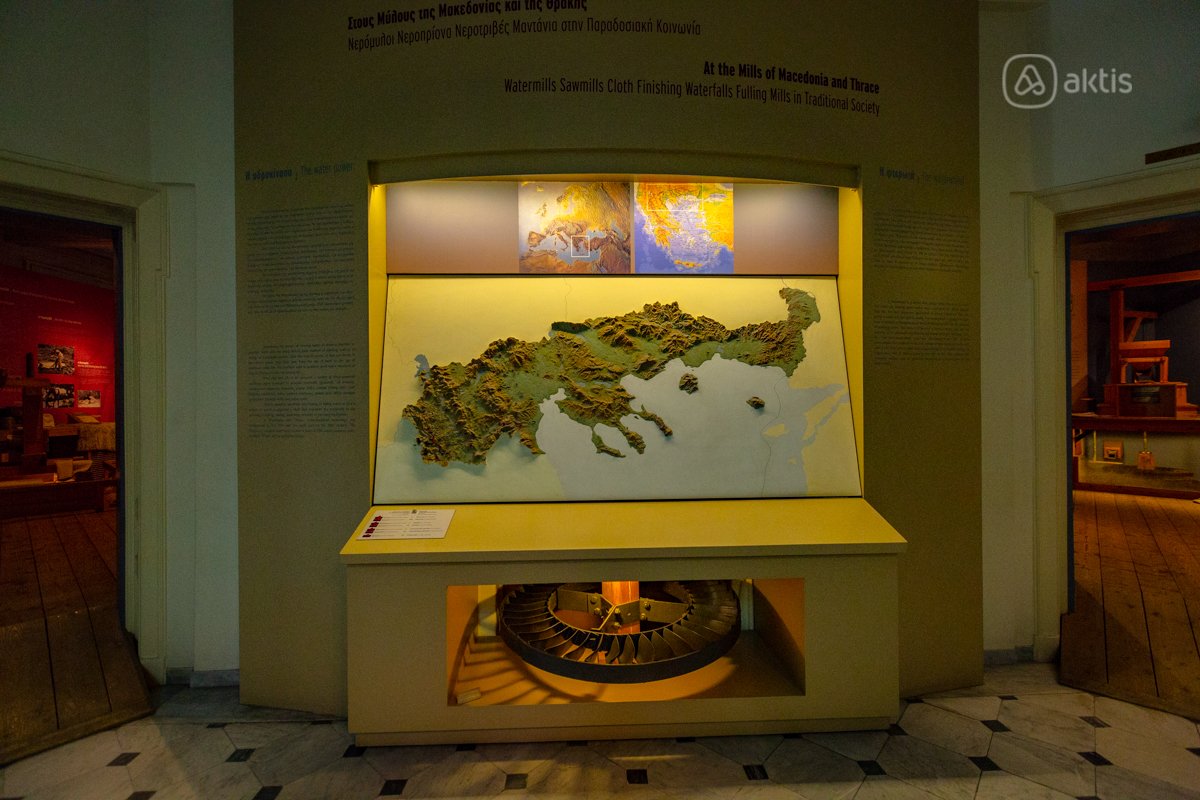
  • "At the Watermills of Macedonia and Thrace". This exhibition introduces visitors to pre-industrial technology and the exploitation of water as an energy source in the region. It showcases various traditional mills, including gristmills, sawmills, fulling mills, and cloth-finishing waterfalls. These mills were essential in grinding grain, processing logs, and finishing woollen clothes. This exhibit also sets the stage for the other thematic displays related to daily life in historical rural communities.
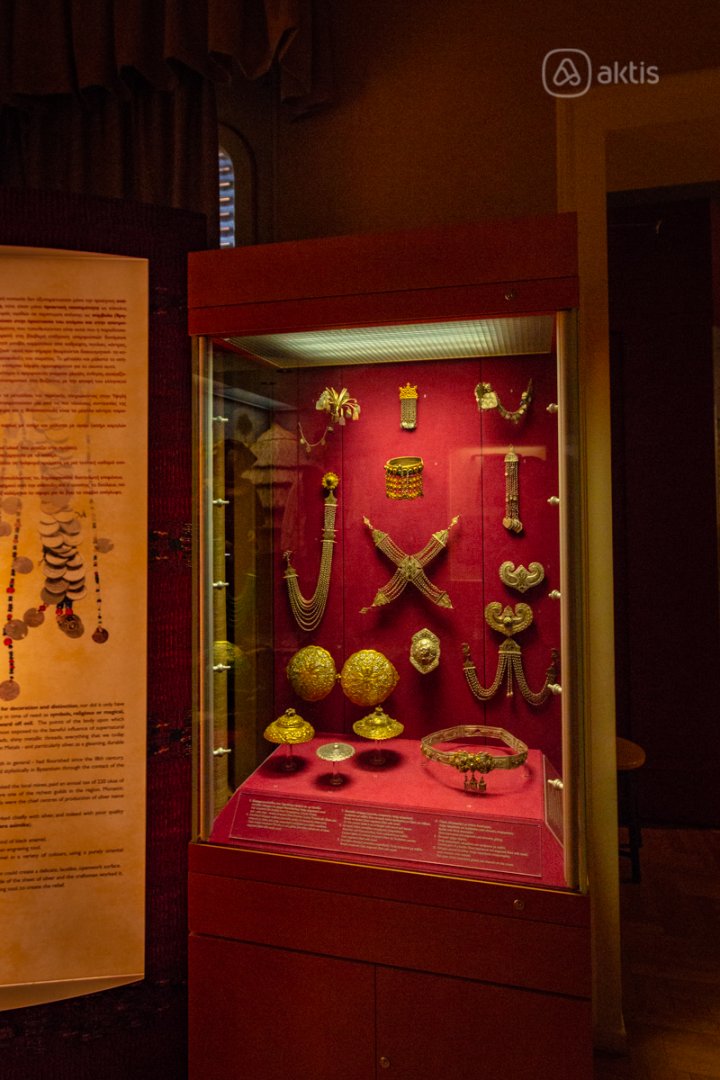
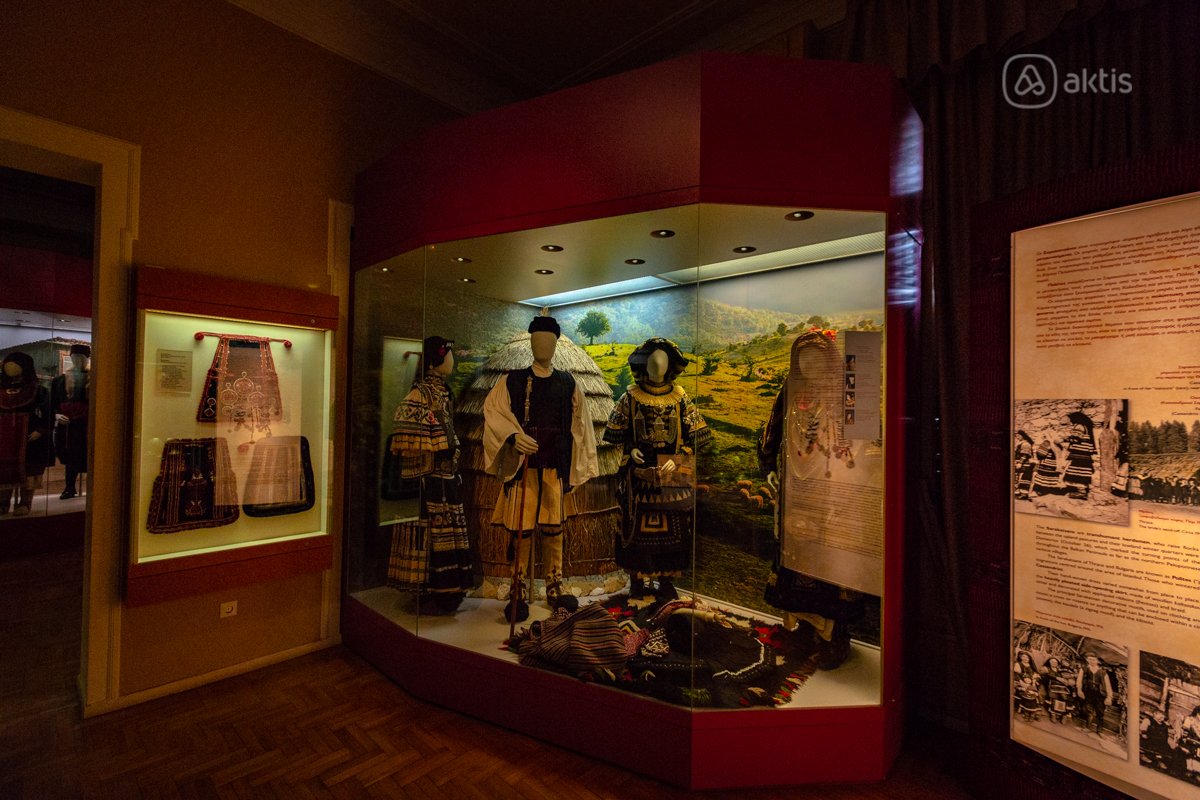
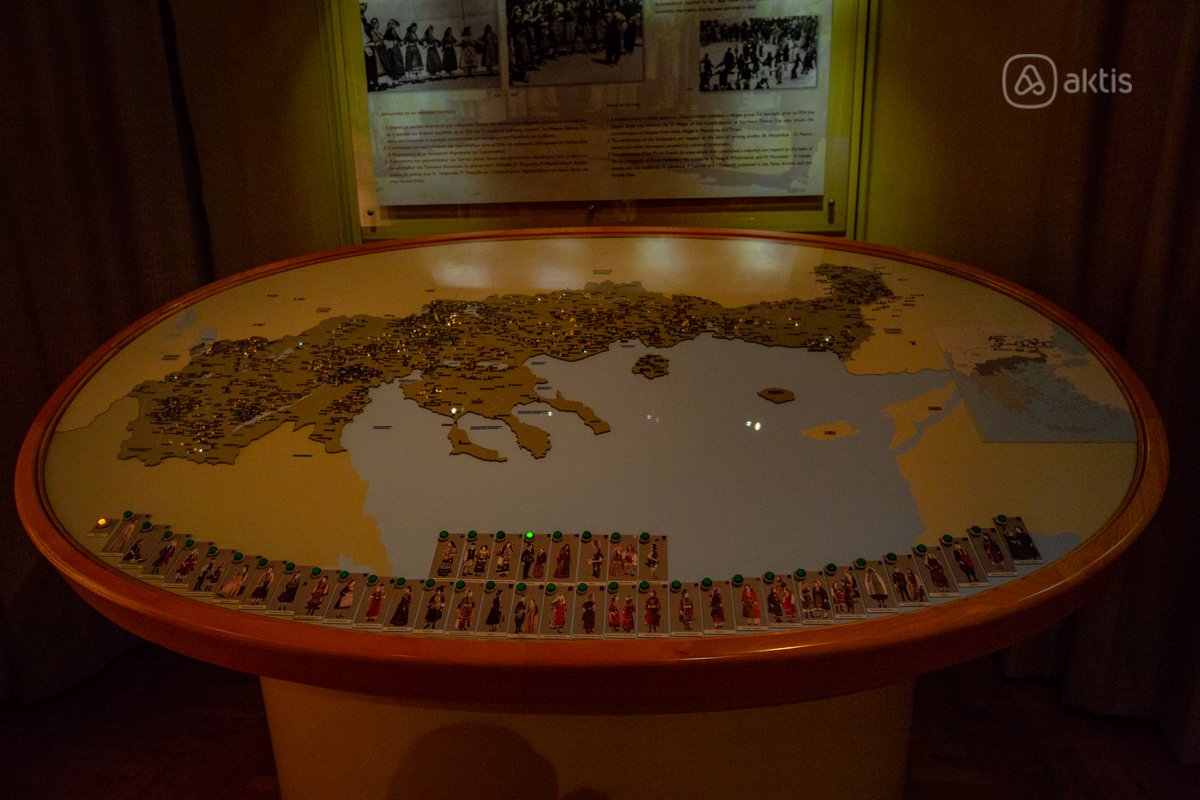
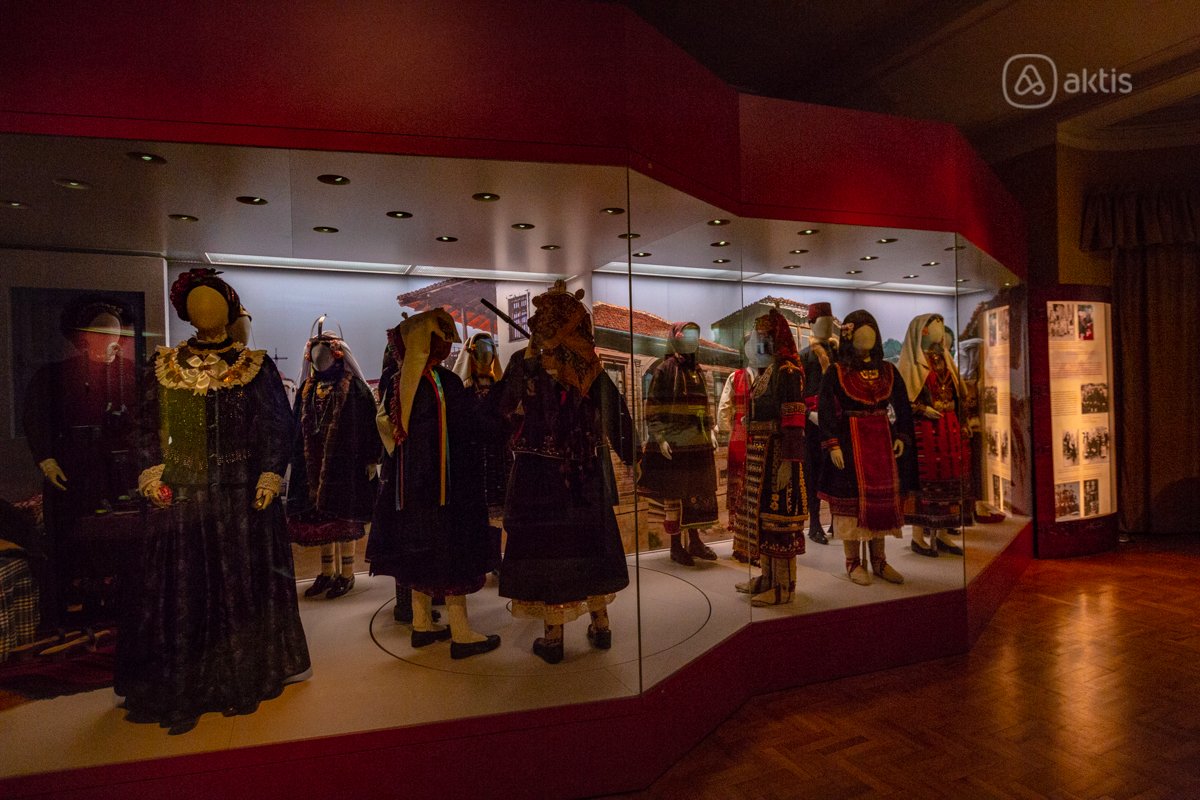
  • "Macedonia-Thrace: Traditional Costumes, 1860-1960". Inaugurated in 2005, this exhibition highlights the traditional costumes from various areas in Macedonia and Thrace, including Northern Macedonia, Eastern Thrace, and Asia Minor. With 55 costumes on display, the exhibit offers a glimpse into the distinct cultural identity of these regions and their historically significant Greek communities.

The history behind the museum

The Folklife & Ethnological Museum of Macedonia and Thrace traces its origins to the Macedonian Charitable Brotherhood, established in the late 19th century. In the early 1930s, under the leadership of Ioannis Taris, the Brotherhood began collecting folklore materials from Northern Greece. This collection grew significantly over the decades and formed the basis of the museum's extensive collection of artifacts.

In 1957, the museum officially became a legal entity and continued to grow, relocating several times before finally settling in the Villa Modiano in 1970. After several renovations, including a major restoration completed in 2000, the museum reopened with modernized facilities and a renewed focus on its role as an educational institution.

Visiting the museum

Today, the Folklife & Ethnological Museum of Macedonia and Thrace remains a prominent cultural institution in Thessaloniki, offering not only exhibitions but also educational programs aimed at preserving and promoting the region’s rich cultural heritage.

The museum is open to the public every day, except Thursdays, from 9:00 AM to 3:30 PM, and until 9:30 PM on Wednesdays. Admission is affordable, with tickets costing 2€, and free admission days are held throughout the year, such as the first Sunday of every month from November to March, and on important national and international observances like International Museum Day and the European Days of Cultural Heritage.